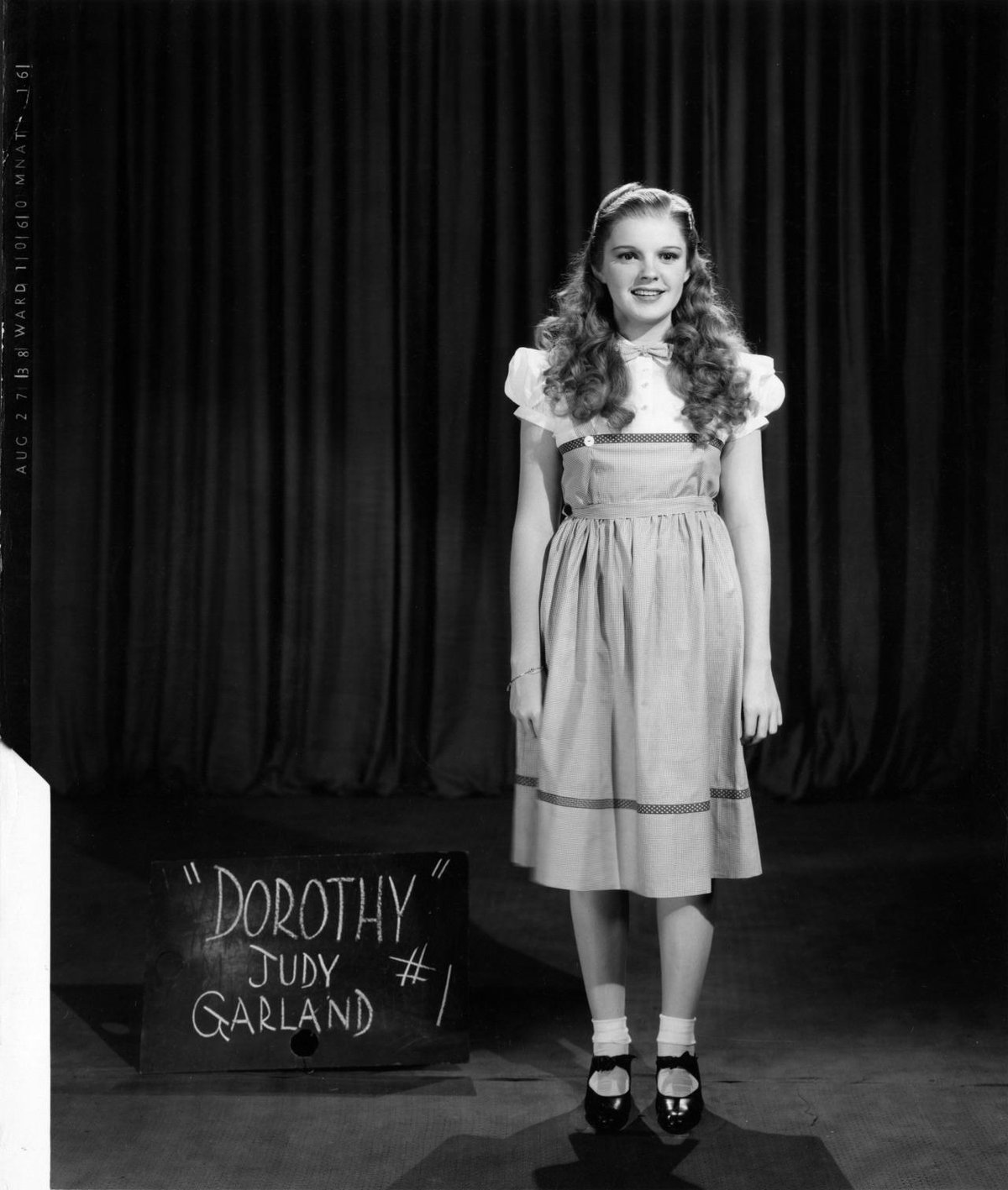
Imagine being a teenager, still finding your footing, yet tasked with portraying a beloved child character to the world. This was the complex reality for Judy Garland, whose real age during the filming of The Wizard of Oz (1939)—a critical 16 years old—created significant challenges and ultimately shaped [Judy Garland's Age During Filming and Its Impact on Dorothy's Portrayal]. While her portrayal of Dorothy Gale became an enduring cinematic masterpiece, the journey to achieve that youthful innocence was anything but. It involved a stringent studio regimen, physical alterations, and an emotional toll that would reverberate throughout Garland's life.
At a Glance: Judy Garland's Dorothy Dilemma
- Age Discrepancy: Judy Garland was 16 years old playing a character (Dorothy Gale) widely understood to be around 12 or even younger, as depicted in L. Frank Baum's original book.
- Studio Intervention: MGM took extreme measures to de-age Garland, including caps on her teeth, discs to reshape her nose, and a famously restrictive corset under her blue gingham dress.
- Physical and Emotional Toll: The relentless demands of maintaining a child-like appearance, coupled with grueling schedules and alleged studio-proscribed drugs, put immense strain on the teenage star.
- Iconic Portrayal: Despite the struggles, Garland's performance was lauded, earning her a special Oscar and cementing Dorothy as one of cinema's most iconic characters.
- Long-Term Impact: The experiences on The Wizard of Oz marked the beginning of a pattern of studio control and personal struggles that would follow Garland throughout her career.
The Impossible Assignment: When a Teenager Played a Child
In the magical realm of Oz, Dorothy Gale is a wide-eyed, innocent farm girl. In L. Frank Baum's 1900 novel, she's generally depicted as a pre-teen, often around 12 years old. This established image of youthful naivety was central to the story's charm and its appeal to audiences. The challenge for MGM, the powerhouse studio behind the 1939 film adaptation, was finding an actress who could embody this spirit.
Their initial sights were set on Shirley Temple, then America's darling child star, known for her curls and dimples. Temple was the quintessential young innocent. However, contractual obligations with her rival studio, 20th Century Fox, made her unavailable. This left MGM to look within its own stable of talent. Their choice, Judy Garland, was already a rising star, signed to the studio at just 13. By the time The Wizard of Oz began filming, Garland was 16.
This four-year age gap between Garland's actual age and Dorothy's intended age created an immediate and significant hurdle. Garland was blossoming into a young woman, her figure maturing, her facial features softening from child-like roundness to adolescent definition. The studio, however, was adamant about preserving the image of a much younger Dorothy. They wanted a character that audiences could universally connect with as a child, unsullied by the complexities of adolescence.
This decision to cast a 16-year-old as a 12-year-old, while seemingly minor, dictated an extraordinary level of control over Garland's appearance and daily life on set. It transformed the production from a standard movie shoot into an intense exercise in illusion and, for Garland, a deeply personal and often painful experience. The studio's vision for Dorothy was paramount, and Judy Garland was molded, quite literally, to fit that mold. You might wonder How old Dorothy is traditionally portrayed, and the answer underscores the challenge Garland faced.
Crafting Illusion: Physical Transformations for a Younger Look
To bridge the visual gap between Judy Garland's natural 16-year-old appearance and Dorothy's required pre-teen innocence, MGM's wardrobe and makeup departments employed a series of techniques that, by today's standards, seem intrusive and perhaps even cruel. These weren't mere costume adjustments; they were fundamental alterations designed to de-age the burgeoning star.
The Smile and the Snout: Dental and Facial Adjustments
One of the most immediate signs of youth is a child's smile. As teenagers grow, their teeth can shift, and dental work might be noticeable. To ensure Garland's smile remained innocent and pristine, she was reportedly fitted with caps on her teeth. This wasn't for cosmetic perfection in the modern sense, but to create a specific, unblemished dental look deemed appropriate for a young girl.
Beyond her teeth, reports indicate Garland also had to wear discs on her nose. The purpose of these devices was to reshape or minimize the appearance of her nose, contributing to a softer, more childlike facial profile. Such alterations, even if temporary for filming, demonstrate the extent to which the studio was willing to go to control every aspect of Garland's physical presentation. Imagine the discomfort, both physical and psychological, of being told your natural features weren't "right" for a role.
The Iconic Gingham Dress and the Restrictive Corset
The blue gingham dress, now synonymous with Dorothy Gale, was more than just a costume; it was a strategic tool in the illusion. While seemingly simple and innocent, the dress was carefully tailored to conceal Garland's maturing figure. Beneath it, she was reportedly made to wear a corset.
Corsets are traditionally associated with adult fashion, designed to cinch the waist and enhance a mature silhouette. However, for Garland, it served a different, oppressive purpose: to flatten her developing chest and restrict her natural adolescent curves, making her appear more boyish and less womanly. This constant physical constraint, hour after hour, day after day, not only caused discomfort but also sent a powerful, unspoken message to a young woman about her body. It reinforced the idea that her natural physical development was an obstacle, something to be hidden or corrected.
These combined efforts — the dental work, the nose alterations, and the restrictive costuming — painted a clear picture of the studio's unwavering commitment to their specific vision of Dorothy. The performance we see on screen, imbued with such warmth and naturalness, was achieved through an immense, often invisible, physical imposition on its young star.
Beyond the Costume: Emotional and Professional Strain
While the physical transformations were stark, the true impact of "Judy Garland's Age During Filming and Its Impact on Dorothy's Portrayal" extended far deeper, touching her emotional and psychological well-being. The set of The Wizard of Oz, for all its on-screen magic, became a crucible for a young woman navigating the brutal realities of the Hollywood studio system.
The Pressure Cooker of Performance
Garland was already a seasoned performer by 16, but the demands of Oz were exceptional. Not only was she expected to deliver a nuanced, emotionally resonant performance, but she had to do so while constantly battling her natural development and the physical discomfort of her "de-aging" costume. This created an internal conflict: the external pressure to be a child, juxtaposed with the internal reality of being a teenager with blossoming emotions and a maturing body.
MGM's "developing" strategy for Garland, which had started when she was signed at 13, was a double-edged sword. While it provided opportunities, it also meant the studio held immense power over her career and her life. This control became particularly acute during Oz. Long working hours, often extending late into the night, were common in Hollywood's Golden Age, but for a minor, they were exhausting and exploitative.
A Troubling Regimen: Amphetamines and Barbiturates
Perhaps the most disturbing aspect of Garland's experience on the Oz set—and one that casts a long shadow over the film's legacy—were the alleged practices surrounding her sleep and energy. Garland herself later spoke out about studio officials proscribing her "pep-up pills" (amphetamines) to keep her awake and energized for the long, arduous filming days, and then "sleeping pills" (barbiturates) to force her to rest at night.
This forced chemical dependency, starting at such a young and formative age, is widely believed to have been a significant factor in Garland's lifelong struggles with addiction. The studio's motivation was clear: to maximize productivity and ensure their young star could meet the relentless schedule. The human cost, however, was immeasurable. It created a cycle of artificial highs and lows that Garland's body and mind became dependent on, sowing the seeds for future battles.
Inappropriate Advances and the Loss of Innocence
Beyond the physical and chemical interventions, Garland also recounted facing deeply inappropriate and unwanted advances from adult colleagues on set. Such allegations highlight a dark underbelly of the studio system, where young performers were vulnerable to exploitation and harassment by powerful figures. For a 16-year-old, isolated from family for long stretches and under immense professional pressure, these experiences were undoubtedly traumatic and contributed to a premature loss of innocence.
The contrast between the joyous, innocent performance of Dorothy and the harsh, often predatory, realities behind the scenes is stark. Judy Garland delivered a performance that exuded warmth, vulnerability, and resilience, yet she did so while enduring a level of physical and psychological control that few adults, let alone teenagers, could withstand. Her struggles on The Wizard of Oz set were not merely anecdotes; they were foundational traumas that would shape her public persona and private pain for the rest of her life.
Dorothy's Enduring Legacy: Was the Struggle Worth It?
The answer to whether Judy Garland's struggle was "worth it" is complex, perhaps even impossible, to fully answer from a purely human perspective. However, from a cinematic and cultural standpoint, her portrayal of Dorothy Gale is undeniably one of the most beloved and impactful performances in film history.
An Oscar-Winning Icon
Despite the harrowing production experience, Garland's performance was universally acclaimed. In 1940, she received a special Juvenile Academy Award, a miniature Oscar, for her "outstanding performance as a screen juvenile during the past year." This recognition underscored the power and authenticity she brought to Dorothy, transcending the physical manipulations and personal torments she endured.
Her rendition of "Over the Rainbow" became her hallmark song, peaking at No. 5 on the Billboard charts in 1939 and becoming an anthem of hope and longing. It's a testament to Garland's raw talent that she could imbue such emotional depth into a song and a character while facing so much behind the camera. The famed Ruby Slippers she wore in the film, now housed at The Smithsonian, symbolize the enduring magic of her creation.
Vulnerability and Authenticity Through Artifice
Paradoxically, the very pressures that sought to diminish Garland's natural self may have contributed to the raw vulnerability that made her Dorothy so compelling. Her subtle anxieties and genuine longing to go "Over the Rainbow" resonated deeply with audiences. While MGM tried to craft a specific image, Garland's inherent authenticity and emotional transparency shone through the artifice. She brought a realism to Dorothy's fear and determination that transcended the fantasy, making her relatable to generations.
Her performance established her as a major star, leading to further iconic roles in films like Meet Me in St. Louis and A Star Is Born. Yet, the shadow of Oz and the expectations it set for her, both in terms of appearance and emotional availability, continued to loom large. Her career became a balancing act between immense talent and profound personal struggle, a narrative often linked directly back to her experiences as a teenager on the yellow brick road.
The Genesis of a Tragic Star
In many ways, The Wizard of Oz marked the beginning of Judy Garland's tragic public narrative. The young girl forced to stay young, to take pills to perform, and to endure inappropriate behavior, foreshadowed the challenges she would face throughout her life. Her incredible success was undeniable, but it came at a profound personal cost.
Ultimately, while the studio's methods were questionable, the artistic outcome was a performance that continues to captivate and inspire. Garland’s Dorothy remains a beacon of hope and courage, a testament to her enduring talent, even as it reminds us of the darker side of Hollywood's relentless pursuit of perfection. This duality—the brilliant performance born from a troubled production—is central to understanding [Judy Garland's Age During Filming and Its Impact on Dorothy's Portrayal].
Common Questions About Judy Garland and Dorothy's Age
The story of Judy Garland as Dorothy Gale is rich with fascinating, and sometimes disturbing, details. Here are answers to some frequently asked questions that shed more light on the complexities of her iconic role.
Was Judy Garland the right choice for Dorothy, given her age?
From a purely artistic standpoint, history has resoundingly declared her the right choice. Her performance is iconic and universally beloved. However, from a human standpoint, the choices made by MGM regarding her age created immense personal suffering. While Shirley Temple was MGM's initial desire due to her younger age and established child star status, Garland's powerful voice, acting depth, and inherent vulnerability ultimately proved to be a stroke of genius, albeit one achieved through troubling means.
How old was Dorothy supposed to be in the book?
In L. Frank Baum's original 1900 novel, The Wonderful Wizard of Oz, Dorothy's age isn't explicitly stated, but illustrations and narrative context strongly suggest she is a young girl, generally perceived to be around 10 to 12 years old. She's presented as an innocent child, a stark contrast to Judy Garland's 16 years during filming. This discrepancy was the root of many of the studio's physical alterations and controls. For more context, you can explore how old Dorothy is often depicted.
What specific measures did MGM take to make Garland look younger?
MGM employed several measures to make the 16-year-old Garland appear younger and more child-like:
- Dental caps: To achieve a youthful, unblemished smile.
- Nose discs: To subtly reshape or minimize her nose for a more childlike profile.
- Corset: Worn under her dress to flatten her developing chest and conceal her maturing figure, making her appear more boyish.
- Blue gingham dress: While a charming costume, it was also chosen and tailored to further conceal her adolescent physique.
- Hair and makeup: Styled to maintain a youthful, innocent look.
How did the studio's demands impact Garland's later life?
The demands placed on Judy Garland during The Wizard of Oz, particularly the alleged studio-proscribed regimen of amphetamines and barbiturates, are widely cited as the genesis of her lifelong struggles with substance abuse. The constant pressure to maintain a specific image, coupled with long hours and emotional abuse, contributed to deep-seated insecurities and mental health challenges that plagued her career and personal life until her death in 1969.
Did Garland ever speak about her experience on Oz?
Yes, Judy Garland spoke openly about her experiences on the Oz set in later interviews and memoirs. She detailed the grueling hours, the physical discomfort of the costumes and alterations, and the alleged forced drug use. She also revealed instances of inappropriate and unwanted advances from adult male actors and crew members. Her accounts have provided crucial insight into the darker side of Hollywood's Golden Age and the exploitation faced by child and teenage stars.
The Broader Picture: Child Stars, Studio Systems, and the Price of Perfection
Judy Garland's experience on The Wizard of Oz is not just a footnote in cinematic history; it's a cautionary tale that resonates with broader issues concerning child stars, the power of studio systems, and the relentless pursuit of an idealized image in entertainment. Her story serves as a critical lens through which to examine ethical considerations that continue to challenge the industry today.
The Vulnerability of Young Performers
Garland's youth made her exceptionally vulnerable to the pressures and manipulations of a powerful studio. Unlike adult actors who might have more agency, a minor's career is often dictated by contracts signed by parents or guardians, who themselves can be overwhelmed or influenced by the allure of fame and fortune. This creates an imbalance of power, leaving young stars susceptible to long hours, restrictive diets, cosmetic procedures, and even substance abuse under the guise of "performance enhancement."
Her story highlights the importance of robust child labor laws and protections for young performers, ensuring their education, well-being, and rights are prioritized over production schedules and profit margins. The industry has evolved, but the fundamental challenges of safeguarding young talent remain a perennial concern.
The Tyranny of the Studio System
MGM, like other major studios during Hollywood's Golden Age, operated with an almost absolute authority over its contract players. They were "owned" by the studio, their images carefully cultivated, their lives meticulously managed, and their bodies often seen as commodities. For Garland, this meant her natural adolescent development was deemed an obstacle to be overcome, rather than a natural process to be respected.
The studio's control extended beyond her appearance to her personal life, her diet, her sleep, and her energy levels. This systemic approach to managing talent, while producing cinematic masterpieces, often came at an immense human cost. It underscores a period in Hollywood where the lines between professional duty and personal exploitation were dangerously blurred.
The Unattainable Ideal of Perfection
The desire for a "perfect" Dorothy—an innocent, eternally young figure—drove MGM to implement extreme measures. This quest for an idealized image often disregards the reality of human development and individuality. Garland was pushed into a mold that denied her own growth, forcing her to embody a fantasy that was physically and emotionally unsustainable.
This pressure to conform to an external ideal, rather than celebrating natural talent and authentic self, is a theme that echoes through the careers of many performers, particularly women, in Hollywood. It raises questions about the industry's role in setting unrealistic standards of beauty and youth, and the psychological burden these expectations place on those who must embody them. Even today, the pressure for how old Dorothy is perceived, or how young other characters are, can be a subtle but powerful influence on casting and production decisions.
Judy Garland's journey through Oz is a powerful reminder that behind every magical film lies a human story, sometimes one of immense personal sacrifice. Her unparalleled talent shone brightly, but her experiences illuminate the profound ethical dilemmas of an industry that, for decades, struggled with how to nurture its youngest stars.
A Timeless Performance, A Troubled Past: Reflecting on Dorothy's Portrayal
Judy Garland's portrayal of Dorothy Gale in The Wizard of Oz remains one of the most cherished and enduring performances in cinema. Her clear voice, heartfelt songs, and poignant depiction of a young girl's longing for home have captivated generations. Yet, to truly appreciate the depth and power of her performance, we must also acknowledge the arduous and often painful journey she undertook to deliver it.
Understanding [Judy Garland's Age During Filming and Its Impact on Dorothy's Portrayal] is to confront a duality: the luminous magic on screen versus the shadow of exploitation and struggle behind the scenes. Her experience is a powerful testament to her remarkable talent and resilience, but also a stark reminder of the darker side of Hollywood's Golden Age. It forces us to ask critical questions about the ethics of artistic creation, the responsibilities of studios, and the enduring cost of fame for those who achieve it too young.
When you next see Dorothy skipping down the yellow brick road, remember the young woman behind the gingham dress—a teenager battling her own body, studio demands, and personal demons, all while creating an immortal character. Her legacy isn't just the joy she brought to millions, but also the crucial lessons her story continues to teach us about empathy, responsibility, and the true price of perfection.